Cars
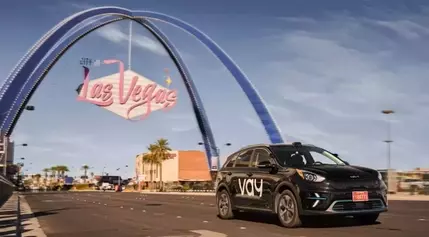
Revolutionizing Urban Mobility: Vay's Teleoperated Electric Vehicles Powered by Verizon 5G
In a groundbreaking partnership, Verizon Business and Vay Technology have joined forces to bring the future of transportation to life. Vay, a pioneering company offering remotely driven electric vehicles (EVs) for on-demand rental, has tapped into Verizon's cutting-edge 5G connectivity to power its innovative service. This collaboration promises to transform the way people experience urban mobility, blending seamless technology with the convenience of app-based access to a fleet of teleoperated electric cars.Unlocking the Potential of Teleoperated Mobility
Redefining the Rental Experience
Vay's unique operational model is a game-changer in the transportation industry. Unlike traditional car-sharing or rental services, Vay's platform allows users to order an electric vehicle through a mobile app and have it delivered directly to their location by a Vay teledriver. Once the vehicle arrives, the user takes over the driving, enjoying the experience of a regular car. When the trip is complete, the user simply ends the rental in the app, exits the vehicle, and a Vay teledriver remotely drives the car to the next customer.This innovative approach to mobility solutions is made possible by Verizon's high-performance, low-latency 5G connectivity. The seamless integration of Verizon's technology enables Vay to handle the massive amounts of data generated by its teleoperated fleet, ensuring a smooth and reliable user experience.Powering the Teleoperation Infrastructure
Verizon's 5G network plays a crucial role in Vay's operational model, providing the necessary connectivity for mission-critical workloads. From transmitting telematics and diagnostic information from the vehicles to Vay and its customers, to delivering over-the-air updates to the software and firmware of Vay's fleet, the 5G network is the backbone that enables Vay's innovative approach to transportation.The low latency and high bandwidth of Verizon's 5G technology are essential for Vay's teleoperation capabilities. By leveraging Verizon's unrivaled network, Vay can ensure real-time responsiveness and control, allowing its teledriving command centers to seamlessly manage the fleet and provide a safe and efficient driving experience for users.Expanding Horizons with Verizon's Connectivity
Vay's partnership with Verizon Business has been instrumental in the company's expansion into the U.S. market, having previously operated in Europe. Verizon's extensive coverage, reliable performance, and cutting-edge network capabilities have been crucial for Vay's growth and success.As Vay continues to expand its commercial and B2B operations, the collaboration with Verizon will be pivotal. Vay's co-founder and CEO, Thomas von der Ohe, emphasizes the importance of Verizon's technology, stating, "Verizon's coverage, performance and network reliability are essential for handling the data load inherent to teleoperating our fleet to the highest standards of safety and capability."Shaping the Future of Urban Mobility
The partnership between Verizon Business and Vay Technology represents a significant step forward in the evolution of urban transportation. By harnessing the power of 5G connectivity, Vay is able to offer a unique and innovative mobility solution that caters to the needs of modern city dwellers.Through this collaboration, Vay's teleoperated electric vehicles are poised to transform the way people move around urban environments. With the seamless integration of Verizon's 5G network, Vay can provide a reliable, efficient, and sustainable transportation option that enhances the overall user experience.As the world continues to embrace the shift towards more environmentally-friendly and technology-driven mobility solutions, the Verizon-Vay partnership stands as a shining example of how innovation and collaboration can pave the way for a more connected and accessible future of urban transportation.